
Anxiety in dogs is more common than many people realize. Along the CT Shoreline, where dogs experience everything from summer storms and fireworks to busy seasonal activity and changing routines, most pet parents will notice signs of stress in their dogs at some point. Anxious dogs aren’t “bad” dogs, and they’re not trying to make life difficult. They’re usually overwhelmed, uncertain, or struggling to cope with something in their environment. Here are 5 ways to support anxious dogs in the CT Shoreline.
5 Ways to Support Anxious Dogs in the CT Shoreline
At Shoreline Happy Paws, we believe anxious dogs deserve compassion, structure, and support. While every dog is different, there are a few foundational things that consistently help nervous dogs feel safer and more balanced. Here goes:
 1. A Consistent Daily Routine
Dogs thrive on predictability. When dogs know what to expect, the human world feels less confusing. Consistent routines help reduce uncertainty and create a sense of safety.
According to ASPCA Pet Insurance, routines help reduce stress and support emotional stability in dogs. For many anxious dogs, simply knowing what comes next can dramatically improve their confidence and boost their ability to relax.
A consistent daily routine includes:
- Regular feeding times
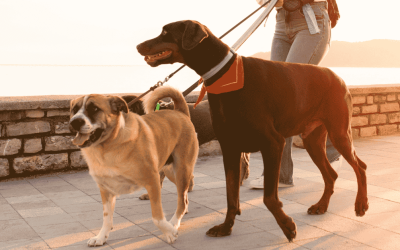
- Predictable walk times and routes
- Consistently timed potty breaks
- Structured rest periods
- Familiar humans whenever possible
 2. Physical Exercise and Mental Enrichment
Exercise and enrichment are important for all dogs, but for anxious dogs, they matter even more.
A bored or under-stimulated dog often has a harder time coping with stress. Dogs need healthy outlets for physical energy and mental engagement.
Helpful enrichment options include:
- Daily dog walks
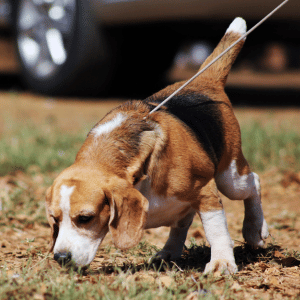
- Sniff-focused walks
- Puzzle toys
- Food enrichment activities that stimulate their senses and encourage licking, which is known to help dogs calm their nervous system
- Training games and agility practices like nosework
- Trail adventures and environmental exploration, like our dog hikes
Mental enrichment encourages dogs to use instincts like sniffing, problem-solving, and exploring, which can help reduce stress and improve emotional balance.
At Shoreline Happy Paws, we often see dogs become noticeably calmer and more settled once they have a consistent routine of walks and enrichment built into their week. We love to see it, too, because when we walk dogs, we know we’re improving the whole family’s quality of life and, often, restoring harmony to the home.
 3. A Soothing Home Environment
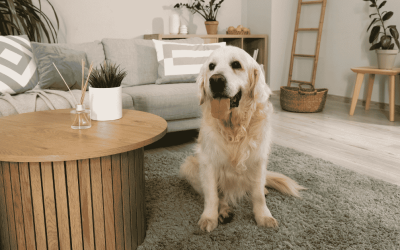
The environment plays a huge role in how dogs feel. From calming background sounds that help soften startling noises and create a more relaxing atmosphere to decluttered, clean spaces, dogs have preferences that we’re often not aware of until we find the source of their discomfort.
Options for creating a soothing home environment for your dog(s) include:
- Playing soft music
- Using a white noise machine
- Running fans or air purifiers
- Playing dog-specific calming playlists on YouTube
- Creating quiet “safe spaces” away from household activity
- Clean feeding areas, washed bowls, and scooped litter boxes, because dogs are naturally clean animals that enjoy a well maintained space
Some dogs also respond well to:
- Covered crates
- Calming pheromone diffusers
- Weighted calming wraps like the ThunderShirt, though these should only be used when you’re able to supervise your dog.
The key is figuring out what works best for your individual dog. What calms one dog may not help another, so observation and patience are key.
 4. Pharmaceuticals or Natural Calming Support
For some dogs, lifestyle changes alone aren’t enough. Unfortunately, anxiety can have a significant neurological component, and some dogs genuinely benefit from additional support for their nervous systems, whether pharmaceutical, nutraceutical, or something else.
Depending on the dog and the severity of their anxiety, veterinarians may recommend:
- Prescription anti-anxiety medications like Prozac (aka Fluoxetine)
- Situational medications for storms, fireworks, or travel, a few of which are listed here
- Supplements or calming chews with ingredients like CBD, chamomile, and L-theanine
The American Veterinary Medical Association notes that medication and supplements can be an appropriate and helpful tool when combined with behavior modification and environmental management.
In my opinion, supporting mental health is just as important for dogs as it is for people!
 5. Professional Dog Training
Anxiety rarely improves through punishment or “forcing” a dog to face fears. Sometimes, however, the positive-based approaches and suggestions listed above don’t quite cut it. In those cases, professional training helps dogs:
- Build confidence
- Learn coping skills
- Reduce reactivity
- Develop positive associations with triggers
- Safely practice skills with the guidance of a professional who understands canine development and cognition
A qualified trainer can help identify what’s causing your dog’s stress and create a plan tailored to them. Dog trainers may employ one or a combination of the following:
- Desensitization exercises
- Counterconditioning
- Confidence-building activities
- Management strategies for difficult situations
Professional support also helps pet parents better understand canine body language and communication, which strengthens the relationship between dogs and their humans. Understanding our dogs’ fears and triggers can really put their behavior into perspective, giving us the tools we need to guide them with empathy and compassion.
5 Ways SHP’s Supports Anxious Dogs in the CT Shoreline
Helping an anxious dog isn’t about finding one magical solution. It’s about creating a lifestyle that supports their physical and emotional wellbeing consistently over time. Routine, exercise, enrichment, calming support, and professional guidance all work together to help dogs feel safer, calmer, and more confident as they navigate the world around them, a world sometimes we, as humans, barely understand.
The Best Dog Walkers in the CT Shoreline
We are currently accepting new clients for our dog walking and dog hiking adventure services. For a limited time, you can earn free dog walks when you sign up for recurring weekly walks!
New Shoreline Happy Paws clients can create an account. We will be in touch to further discuss your needs and set you and your family up with the care you need. Existing clients, please book services by logging in to your client profile.
We serve the following areas of the Connecticut Shoreline:
- Old Saybrook
- Essex, Ivoryton & Centerbrook
- Deep River
- Chester
- Westbrook
- Clinton
- Old Lyme
- East Lyme
- Niantic
Certain Parts and Certain Service Hours in:
- Lyme and Madison
- Waterford, New London, Groton
- Uncasville, Gales Ferry, Mystic, Noank