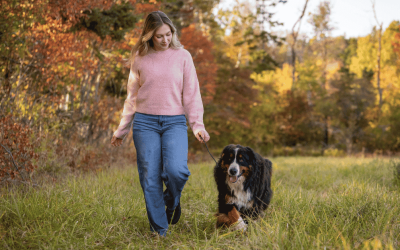

Winter in Connecticut looks very different depending on where you live. Along the Shoreline, cold weather isn’t just about lower temperatures; it’s about wind off Long Island Sound, damp air, sudden weather shifts, and surfaces that can change from dry to icy in minutes. For dogs living in coastal communities, winter walks require a different approach than those in inland areas. Understanding those differences helps keep dogs safer, more comfortable, and better supported throughout the colder months. Let’s discuss Connecticut Shoreline Dog Walks Vs. Inland Dog Walks and how you can prepare for your next dog walk.
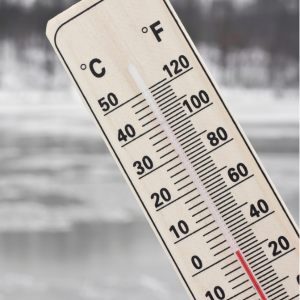 Coastal Winters Feel Colder Than the Thermometer Says
One of the biggest differences between shoreline and inland winter weather is wind chill. Coastal areas experience stronger, more persistent winds that strip heat from a dog’s body much faster than still air.
According to the National Weather Service, wind significantly increases heat loss, making outdoor temperatures feel far colder than the actual reading. For dogs, especially smaller breeds, seniors, and short-coated dogs, this means discomfort can set in quickly, even on days that don’t seem extreme to us (mostly because we’re outfitted in winter gear.)
Humidity also plays a role. Damp air near the shore makes cold penetrate more deeply, which can leave dogs chilled faster than they would be in drier inland conditions.
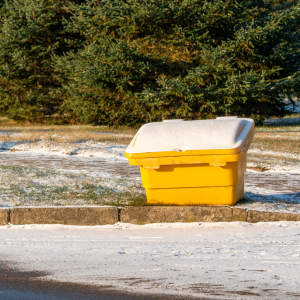 Salt Air, Ice Melt, and Sandy Sidewalks Are Tough on Paws
Shoreline neighborhoods deal with a unique mix of winter walking surfaces: sand, salt, ice melt, and moisture from nearby water. While these help improve traction for people, they can be harsh on canine paws.
The American Kennel Club notes that salt and ice-melt chemicals can cause irritation, dryness, and even chemical burns if residue isn’t properly removed after walks. When sand and moisture are added to the mix, tiny abrasions can worsen quickly.
That’s why winter paw care is especially important along the coast. Wiping paws after walks, limiting exposure time on treated surfaces, and using protective products when needed can help prevent soreness and cracking.
If you’re looking for ice melt for your home, consider this pet-safe ice melt to reduce irritation and exposure.
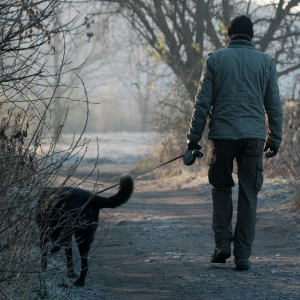 Winter Walks Should Be Shorter but Still Meaningful
In extreme coastal winter conditions, longer walks aren’t always better. Wind exposure, cold air, and wet ground mean dogs often benefit from shorter, more intentional outings rather than extended time outdoors.
Structured walks that allow time for sniffing, exploration, and mental engagement can be just as fulfilling as longer strolls. Mental stimulation helps burn energy, reduces boredom, and supports emotional wellbeing, especially during winter months when outdoor activity naturally decreases.
The goal isn’t to eliminate walks, but to adapt them thoughtfully based on daily conditions, something we do all year long at Shoreline Happy Paws.
 Rapid Weather Changes Are Common Along the Shore
Another hallmark of CT Shoreline living is how quickly the weather can change. A walk that begins in calm conditions can turn windy or icy within minutes, particularly near the water.
Local familiarity matters here. Knowing which sidewalks freeze first, where puddles tend to refreeze, and which routes stay safer during temperature drops makes a real difference in winter safety. This kind of situational awareness comes from experience, not guesswork. With over 15 years of experience, I know what to look for and teach my staff members to be aware to ensure everyone’s safety and comfort.
 Why Local Knowledge Matters for Winter Dog Care
Caring for dogs along the Connecticut Shoreline means understanding more than just general pet safety guidelines. It requires familiarity with coastal microclimates, neighborhood layouts, and seasonal patterns unique to shoreline towns.
The American Veterinary Medical Association emphasizes that cold weather can increase the risk of hypothermia and frostbite, especially when pets are exposed to wind and moisture. Tailoring outdoor routines to local conditions and the pet in our care helps us minimize those risks. We recommend you do the same!
Connecticut Shoreline Dog Walks Vs. Inland Dog Walks
For shoreline dogs, winter care isn’t one-size-fits-all; it’s location-specific. Winter can still be an enriching, enjoyable season for dogs when their routines are adjusted thoughtfully. Paying attention to individual needs, weather conditions, protecting paws, prioritizing quality over duration, and choosing safe routes all contribute to better winter experiences for coastal pets.
Supporting Dogs Through Shoreline Winters
At Shoreline Happy Paws, our approach to winter walks reflects the realities of living and working along the Connecticut Shoreline. We make daily decisions based on current conditions, dog needs, and what will keep each walk safe and positive, no matter the season.
Because when you live by the water, winter care simply looks different, and dogs deserve care that reflects where they live. Check out this blog for more winter dog care tips! And, browse this blog for tips on winter outerwear and gear that keeps dogs comfortable when temps drop.
The Best Dog Walkers in the CT Shoreline
We are currently accepting new clients for our dog walking and dog hiking adventure services. We will start accepting sign-ups for The Doggie Adventure Bus once we have a clearer idea of the service and routes. Don’t forget to participate in our survey to voice your input!
New Shoreline Happy Paws clients can create an account. We will be in touch to further discuss your needs and set you and your family up for success. Existing clients, please book services by logging in to your client profile.
We serve the following areas of the Connecticut Shoreline:
- Old Saybrook
- Essex, Ivoryton & Centerbrook
- Deep River
- Chester
- Westbrook
- Clinton
- Old Lyme
- East Lyme
- Niantic
Certain Parts and Certain Service Hours in:
- Lyme and Madison
- Waterford, New London, Groton
- Uncasville, Gales Ferry, Mystic, Noank