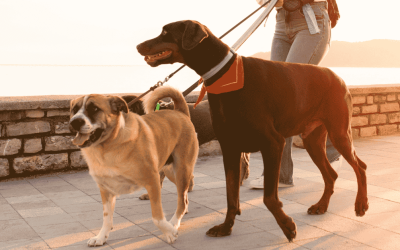

Warm weather on the Connecticut Shoreline means more opportunities for outdoor adventures, neighborhood walks, and time spent exploring with our four-legged friends. While summer is a wonderful season to get outside, it’s also one of the times when dogs are at a greater risk of dehydration. Today, I’m breaking down some important basics about dehydration in dogs and signs CT Shoreline pet parents should know. And, I’m reminding you that it’s important to keep your dog’s water sources safe.
 What Is Dehydration in Dogs?
Like in humans, dehydration in dogs occurs when their body loses more fluids than it takes in. Water is essential for regulating body temperature, supporting healthy organ function, aiding digestion, and circulating nutrients throughout the body.
When dogs become dehydrated, their bodies can’t function efficiently, and without prompt attention, dehydration can make dogs very sick. As dehydration worsens, blood volume decreases, making it harder for oxygen and nutrients to reach vital organs. This can lead to overheating, electrolyte imbalances, low blood pressure, and increased strain on the heart and kidneys. In severe cases, dehydration can progress to heatstroke, organ damage, shock, and can even become life-threatening if not treated promptly.
The good news is that dehydration is often preventable, and recognizing the early warning signs allows you to intervene before it becomes a medical emergency.
Signs Your Dog May Be Dehydrated
Every dog is different, but these are some of the most common signs to watch for:
- Dry nose and tacky or dry gums
- Loss of appetite or refusing to drink water
- Unusually tired or lacking energy
- Glassy eyes or confusion
- Loss of skin elasticity
- Decreased urination
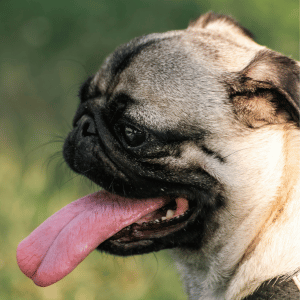
- Heavy panting or excessive drooling
- Weakness or unsteadiness
Some of these signs can also indicate other medical conditions, so it’s always best to contact your veterinarian if you’re concerned about your dog’s health and if these concerns continue after your dog rehydrates.
Checking a Dog’s Skin Elasticity to Gauge Hydration
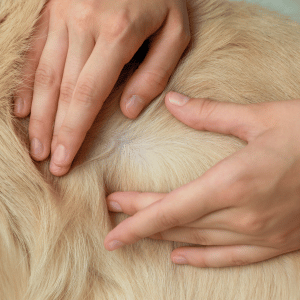 One simple way to check for possible dehydration at home is by assessing your dog’s skin elasticity. To do so, gently lift the loose skin between your dog’s shoulder blades and then release it. In a well-hydrated dog, the skin should snap back into place almost immediately.
If the skin returns slowly or remains slightly raised instead of bouncing back quickly, it could be a sign of dehydration. Depending on the severity, your dog may need to be evaluated by a veterinarian as soon as possible.
Keep in mind that age and certain medical conditions can affect skin elasticity, so this test should always be considered alongside your dog’s overall condition. And talk to your vet when your dog is healthy to get a good idea of their usual skin elasticity, so you can compare it if you’re ever concerned about their hydration.
 Preventing Dehydration in Dogs
Dehydration can develop more quickly than many pet parents realize, especially on hot or humid days or after vigorous exercise. Knowing the warning signs can help you act early and keep your dog healthy all season long. Fortunately, there are many simple ways to help keep your dog properly hydrated throughout the summer.
We recommend:
- Providing fresh, clean water at all times
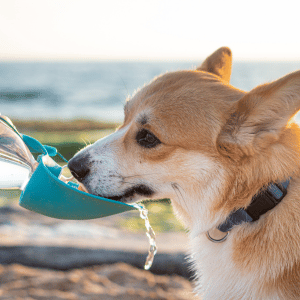
- Bringing water and a portable bowl on walks and hikes
- Walking during the cooler morning or evening hours
- Taking frequent water breaks during outdoor activities
- Choosing shaded routes whenever possible
- Avoiding strenuous exercise during the hottest parts of the day
- Discussing your dog’s breed and how much hydration they need on average
Some dogs, especially puppies, senior dogs, flat-faced breeds, and dogs with certain medical conditions or dogs taking certain medications, may need more frequent hydration breaks. Again, knowing your dog’s individual susceptibility to dehydration before an issue arises is a great first step.
 Knowing Dehydration Risk Factors
In addition to your dog’s breed, size, and overall health, the following activities can increase your dog’s risk of dehydration:
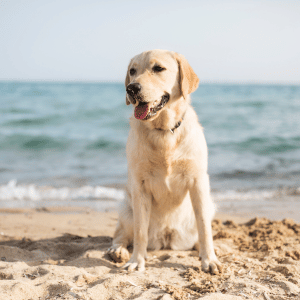
- Beach trips, where heat from the sand, sunshine, and salty air can increase fluid loss.
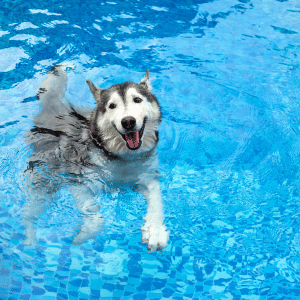
- Swimming in pools, lakes, or the ocean. Even though they’re surrounded by water, many dogs don’t stop to drink fresh water while playing.
- Hiking on wooded trails or uneven terrain, where physical exertion and humidity can quickly lead to dehydration.
- Visits to the dog park, where excitement and continuous play often mean dogs don’t take breaks to rest or drink.
- Long neighborhood walks or outdoor festivals/events during hot, humid weather.
- Camping trips or days spent outdoors with the family.
- Car rides and travel, particularly if frequent water breaks aren’t offered.
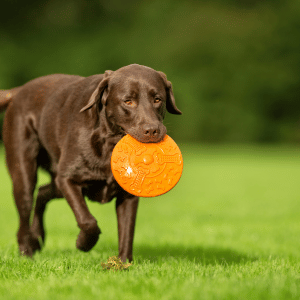
- Agility, fetch, or other high-energy activities that keep dogs moving for extended periods.
 Encouraging Hydration in Dogs
Here are some practical, veterinarian-friendly ways pet parents can encourage dogs eating kibble to stay hydrated:
- Add warm water to kibble. Let it soak for a few minutes before serving to increase your dog’s water intake while making the meal more aromatic.
- Mix in low-sodium bone broth. Choose a dog-safe broth that contains no onions, garlic, or excessive sodium to make meals and water more appealing.
- Offer multiple water bowls. Place fresh water in several locations around your home so it’s always easy for your dog to take a drink.
- Refresh water frequently. Many dogs prefer cool, fresh water, especially during the warmer months.
- Bring water on every outing. Carry a portable water bottle and collapsible bowl for walks, hikes, beach trips, and car rides.
- Offer ice cubes as a treat. Many dogs enjoy licking or crunching ice cubes on hot days. You can also freeze dog-safe bone broth into ice cubes for an extra incentive.
- Feed moisture-rich treats. Watermelon (seedless and rind removed), cucumber, celery, and strawberries are all hydrating, dog-safe treats in moderation.
- Try a pet water fountain. Some dogs are more likely to drink moving water than water from a stationary bowl.
- Encourage drinking after exercise. Offer small amounts of water during and after walks or playtime instead of waiting until your dog is very thirsty.
- Consider incorporating wet food. If recommended by your veterinarian, mixing canned food with kibble can significantly increase your dog’s daily moisture intake.
If your dog suddenly drinks much more or much less water than usual, or shows signs of dehydration despite having access to fresh water, contact your veterinarian. Changes in drinking habits can sometimes indicate an underlying medical condition, including diabetes.
 How Shoreline Happy Paws Helps Keep Dogs Safe During Summer
At Shoreline Happy Paws, we don’t believe every walk should follow the same routine. We adjust each visit based on the weather, humidity, your dog’s age, fitness level, and individual needs.
On warmer days, we may shorten walks, seek out shady areas, slow our pace, and offer plenty of opportunities for water and rest. Most importantly, we’re continually observing each dog for subtle changes in their behavior or physical condition.
Because our team is trained in Pet First Aid and CPR, we know how to recognize the early signs of dehydration before they progress into a more serious emergency. Spotting these warning signs early allows us to respond quickly, helping ensure your dog makes a full recovery while reducing the risk of more severe heat-related illness.
When in Doubt, Stop & Hydrate
If you ever suspect your dog may be dehydrated, don’t wait for symptoms to worsen. Move them to a cool, shaded area, offer small amounts of fresh water if they’re alert and willing to drink, and contact your veterinarian for guidance right away.
Summer adventures should be fun, not stressful. By recognizing the signs of dehydration and taking simple precautions, you can help your dog safely enjoy everything the Connecticut Shoreline has to offer.
At Shoreline Happy Paws, we’re proud to provide professional dog walking and pet care that puts your dog’s health, comfort, and safety first because every one of our canine adventures starts and ends with a happy, well-cared-for pup!
The Best Dog Walkers in the CT Shoreline
We are currently accepting new clients for our dog walking and dog hiking adventure services. For a limited time, you can earn free dog walks when you sign up for recurring weekly walks!
New Shoreline Happy Paws clients can create an account. We will be in touch to further discuss your needs and set you and your family up with the care you need. Existing clients, please book services by logging in to your client profile.
We serve the following areas of the Connecticut Shoreline:
- Old Saybrook
- Essex, Ivoryton & Centerbrook
- Deep River
- Chester
- Westbrook
- Clinton
- Old Lyme
- East Lyme
- Niantic
Certain Parts and Certain Service Hours in:
- Lyme and Madison
- Waterford, New London, Groton
- Uncasville, Gales Ferry, Mystic, Noank