
 How Botfly Larvae Infect Dogs and Cats
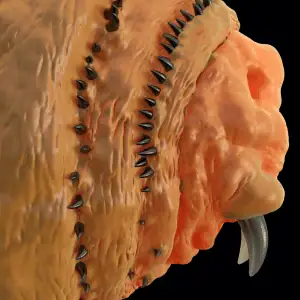
The rabbit bot fly (Cuterebra buccata) and the human bot fly (Dermatobia hominis) have both been documented in Connecticut. Botflies lay their eggs near rodent burrows, rabbit nests, or in tall grass, places your pet may explore during outdoor time. When a curious dog or cat brushes against these areas, the eggs hatch, and the tiny larvae quickly attach to the animal’s fur. They then enter the body through natural openings such as the nose, mouth, or small wounds, or even via hair follicles. Once inside, the larvae migrate under the skin, settling in to grow and develop.
Botflies are most active during the warm months of late summer and early fall so now’s the time to learn about these pets.
 What to Look For
The most common sign of a botfly infestation is a swollen lump (warble) with a small hole in the center. The hole is the larva’s breathing pore. Other symptoms include:
- Redness, irritation, or oozing discharge from the lump
- Excessive licking or scratching at the site
- Pain or sensitivity when touched
- Lethargy, loss of appetite, or fever in more severe cases
- If the larvae migrate to other areas, symptoms can include coughing, sneezing, nasal discharge, or even neurological signs like disorientation or seizures if the brain or spinal cord is affected
 Why Botflies Are Harmful
While many cases involve only minor skin irritation, botfly infestations can become serious. As I mentioned above, if the larva migrates to critical areas such as the brain, spinal cord, or respiratory system, it can cause seizures, paralysis, severe breathing problems, and even become life-threatening. Secondary bacterial infections can also develop if the warble becomes contaminated.
Plus, it’s gross to even think that a botfly may be taking up residence in your beloved pet and home. I personally would be very uneasy with that idea!
 Botfly Prevention
You can mostly reduce your pet’s risk of botfly infestation by being proactive as follows:
- Avoid Rodent & Rabbit Habitats: Keep pets away from burrows, nests, and tall grassy areas, especially in late summer and early fall
- Supervise Outdoor Activities: Use a leash in high-risk areas and discourage hunting or digging behaviors
- Check Your Pets Skin Regularly: After outdoor play, inspect your pet for lumps, especially around the head, neck, and shoulders – you should already be checking for ticks so add this to your routine!
- Maintain Good Grooming Habits: Regular grooming and prompt cleaning of any wounds can help catch problems early
 If You Find a Bump
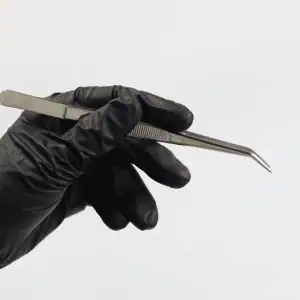
First, never attempt to remove botfly larvae yourself. Squeezing or puncturing the lump can cause the larva to break apart inside your pet, leading to severe inflammation, allergic reactions, or infection. Veterinarians safely extract the entire larva, clean the wound, and provide antibiotics or pain relief if needed. If you’re curious, there are a number of videos online that vets have shared and removing these critters really is best left to professionals!
If your pet shows signs of severe swelling, difficulty breathing, neurological issues, or extreme pain, seek emergency veterinary care immediately. Even in mild cases, prompt veterinary attention ensures safe removal and reduces the risk of complications.
Botflies in the Connecticut Shoreline
Botflies are an unsettling but manageable risk for pets along the Connecticut Shoreline. Vigilance, prevention, and prompt veterinary care are your best defenses against these and all pet-related pests like fleas and ticks. If you suspect your dog or cat has a botfly, schedule a veterinary visit right away, your pet’s health depends on it!
We Keep an Eye on your Pets
At Shoreline Happy Paws, we keep an eye on your pets – figuratively and literally! We often do a snout-to-tail assessment on pets while petting them, checking for lumps and bumps that may be new or growing. If we ever find something alarming, we will inform you immediately. As your partners in your pet’s care, we arm you with information that can keep your pet(s) happy and healthy. We, of course, ask you to do the same and keep us updated of any changes in your pet’s health and well-being.
Shoreline Happy Paws is currently accepting new clients for dog walking, dog hiking, and cat sitting services! New Shoreline Happy Paws clients can create an account. We will be in touch to further discuss your needs and set you, your family, and your cat(s) up for success. Existing clients, please book services by logging in to your client profile.
We serve the following areas of the Connecticut Shoreline:
- Old Saybrook
- Essex, Ivoryton & Centerbrook
- Deep River
- Chester
- Westbrook
- Clinton
- Old Lyme
- East Lyme
- Niantic
Certain Parts and Certain Service Hours in:
- Lyme and Madison
- Waterford, New London, Groton
- Uncasville, Gales Ferry, Mystic, Noank