
As we all brace for what promises to be a significant winter storm this weekend, we’re discussing the importance of keeping pets warm during power outages on the CT Shoreline. Winter storms along the Connecticut shoreline bring a unique set of challenges. Strong winds off Long Island Sound, heavy precipitation, and rapidly dropping temperatures can lead to power outages that last for hours or even days. When the power and, subsequently, the heat go out, pets feel the effects quickly. Planning ahead can make a meaningful difference in keeping pets safe, comfortable, and calm during an outage.
 What Causes Power Outages During Snow and Ice Storms?
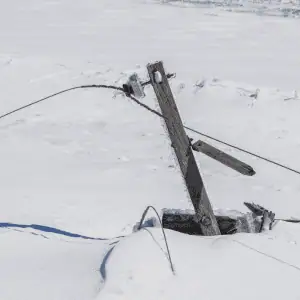
During winter storms, power outages are most often caused by a combination of heavy snow, ice accumulation, and strong coastal winds. Ice can build up on power lines and tree branches, adding significant weight that leads to sagging lines or snapped cables. Snow-covered or ice-covered tree limbs are a major culprit, breaking and falling onto power lines.
Along the Connecticut Shoreline, high winds off Long Island Sound intensify these risks, while coastal flooding and saturated ground can also affect substations and underground equipment. When these factors combine, outages can occur quickly, and restoration may take longer during widespread storms. Here’s a recent article by the Hartford Courant that goes into further detail on how infrastructure is affected during storm systems.
 Why Are Power Outages Are Especially Risky Along the CT Shoreline?
Coastal storms often combine cold temperatures with high humidity and wind. According to the National Weather Service, wind accelerates heat loss from the body, making indoor spaces cool down faster when heating systems fail. Pets who are small, short-haired, senior, or managing medical conditions are particularly vulnerable to the cold. And, if temperatures drop significantly, all pets, regardless of age and breed, can be at risk of hypothermia, which occurs when the body loses heat faster than it can produce it.
According to this article, “Most dogs and cats, especially those with thinner coats, should not be exposed to freezing temperatures for more than 10-15 minutes without access to a warmer space. Prolonged exposure can lead to hypothermia and frostbite.” Freezing, as we know, is anything under 32 degrees Fahrenheit.
 Creating a Warm “Safe Zone” for Pets
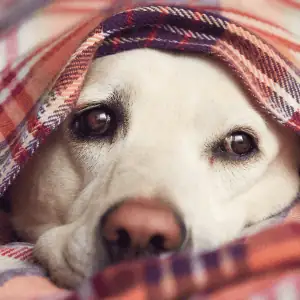
One of the simplest ways to conserve warmth in the case of a power failure during a snow or ice storm is to designate a smaller area of the home as a pet comfort zone. Ideally, this could be near your fireplace if you have one.
Helpful items include:
- Thick blankets or fleece throws
- Pet beds placed off cold floors
- Crates or covered beds to retain body heat
- Towels layered beneath bedding for insulation
Closing doors to unused rooms helps trap warmth, and keeping pets together (when appropriate) can also help them maintain body heat.
 Investing in Pet-Safe Products That Help Retain Warmth
Having a few pet-specific items on hand can make outages more manageable:
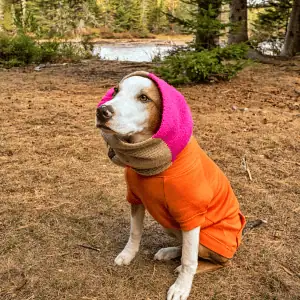
- Thermal pet sweaters or coats (especially for dogs accustomed to indoor warmth)
- Self-warming pet mats that reflect body heat (no electricity required)
- Microwavable pet heating pads designed for animal use (never use human heating pads that have corn or rice in them because pets could chew them and ingest the filling, becoming ill)
- Booties or paw wraps to protect feet if outdoor trips are necessary
Always check that products are designed specifically for pets and monitor closely for overheating or chewing.
 Creative, Low-Tech Ways to Keep Pets Warm
When electricity isn’t available, creativity matters. Simple household solutions can help:
- Wrap hot water bottles in towels and place them near (not directly against) pet bedding
- Use sleeping bags or heavy quilts to create insulated resting spots
- Encourage gentle movement indoors to promote circulation
- Feed meals slightly earlier; digestion helps generate body heat
The American Veterinary Medical Association advises limiting cold exposure and keeping pets indoors during winter emergencies. Bringing in outdoor pets is, of course, the safest approach. But, if that’s not possible, buying or building an insulated shelter is a good alternative.
 Providing Emotional Comfort & Companionship
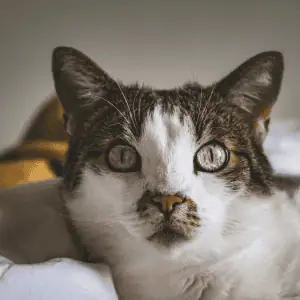
Storms, power outages, and unusually low temperatures can be stressful for pets. Reduced lighting, unfamiliar sounds, and changes in routine can increase anxiety. Staying close, speaking calmly, and maintaining familiar feeding and walking schedules (when safe) helps pets feel secure even when circumstances are unpredictable.
When a significant storm threatens the area, the best approach is to stay home with your pet(s). Leaving them to fend for themselves in a weather emergency can quickly turn tragic. At a minimum, having a neighbor who can check on them can help manage risks.
Keeping Pets Warm During Power Outages on the CT Shoreline
Power outages are an unfortunate reality of winter storms along the Connecticut Shoreline, but preparation can reduce their impact. Keeping a pet emergency kit stocked with warmth-supporting items ensures you’re ready before the lights go out. Include flashlights, reflective gear, hand warmers (for you), and extra leashes just in case.
Finally, consider a CO2 monitor, too, if you use a fireplace to heat your home. According to this article, “Test your CO detectors monthly to verify their functionality and replace their batteries annually. Follow the manufacturer’s recommendations for replacing the entire unit, typically every 5-7 years, to ensure accurate and reliable CO detection.”
At Shoreline Happy Paws, we understand how coastal weather affects both homes and pets. Thoughtful planning helps keep animals comfortable and safe, no matter what Mother Nature brings!
Proactive Pet Care in the CT Shoreline
We are currently accepting new clients for our dog walking and dog hiking adventure services. We will start accepting sign-ups for The Doggie Adventure Bus once we have a clearer idea of the service and routes. Don’t forget to participate in our survey to voice your input!
New Shoreline Happy Paws clients can create an account. We will be in touch to further discuss your needs and set you and your family up for success. Existing clients, please book services by logging in to your client profile.
We serve the following areas of the Connecticut Shoreline:
- Old Saybrook
- Essex, Ivoryton & Centerbrook
- Deep River
- Chester
- Westbrook
- Clinton
- Old Lyme
- East Lyme
- Niantic
Certain Parts and Certain Service Hours in:
- Lyme and Madison
- Waterford, New London, Groton
- Uncasville, Gales Ferry, Mystic, Noank